
The Allure of Chance and Risk
The thrill of gambling often stems from the inherent unpredictability and risk involved. This unpredictability is appealing to many players, as it taps into the human psyche’s fascination with chance. The concept of risk versus reward plays a significant role in decision-making at casinos. Many individuals enjoy learning about strategies and insights regarding canada casinos online while being motivated by the prospect of winning big rewards, despite knowing the odds are stacked against them.
Moreover, this allure can create a cycle of behavior where the excitement from winning fuels further participation. The dopamine release associated with a win can lead to repeated visits to the casino, reinforcing the notion that risk-taking might yield positive outcomes. Understanding this psychological draw helps casinos design environments that enhance these feelings, thus capturing player attention.
The Influence of Environment and Design
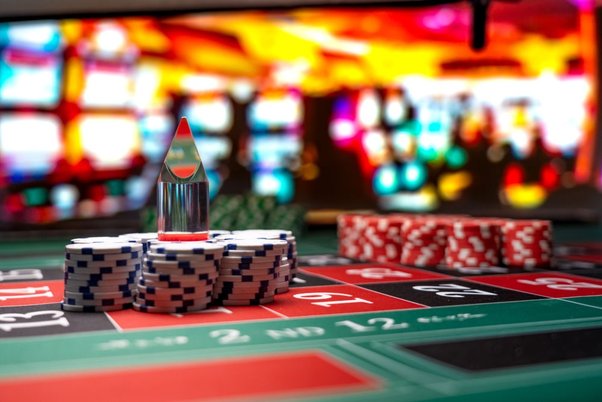
The physical arrangement and design of a casino can have profound effects on player choices. Casinos are often designed to create a specific atmosphere that encourages gambling. Soft lighting, vibrant colors, and strategic layouts can lead players to feel more relaxed and willing to take risks. This carefully crafted ambiance impacts how long players stay and how much they wager.
Additionally, features like free drinks, the absence of clocks, and the use of sound effects create an immersive experience that often distracts players from financial considerations. This environment fosters a sense of escapism, making it easier for players to make impulsive decisions. Recognizing these design elements is crucial to understanding why certain choices are made in the casino setting.
Gambling is often a social activity, and the presence of others can significantly influence a player’s choices. Group dynamics can lead to a phenomenon known as ‘social proof,’ where individuals are swayed by the behaviors and attitudes of their peers. In a casino, seeing others win can boost a player’s confidence and prompt them to increase their bets or try new games.
Conversely, social pressures can also lead to riskier behavior. For instance, players may feel compelled to continue gambling to maintain a certain image or to keep up with friends. Understanding how social interactions affect gambling behavior can reveal deeper insights into why players often take unexpected risks or make choices that they might not consider when alone.
The Role of Cognitive Biases
Cognitive biases play a significant role in shaping the decisions that players make at casinos. One common bias is the ‘gambler’s fallacy,’ where individuals believe that a win is due after a series of losses, leading them to continue playing in hopes of an imminent win. This fallacy can cause players to ignore statistical realities, resulting in poor decision-making.
Another critical bias is the illusion of control, where players believe they can influence the outcomes of games of chance. This misconception can lead to riskier choices and an overestimation of one’s ability to predict or affect outcomes. Understanding these cognitive biases can provide insights into why players often gamble beyond their limits or persist in belief despite contrary evidence.
Final Thoughts on Casino Psychology
The psychology behind player choices in casinos is a complex interplay of risk, environment, social dynamics, and cognitive biases. Each of these factors contributes to a unique gambling experience that can lead to both significant wins and losses. Recognizing these elements allows for a better understanding of player behavior and can enhance the overall casino experience.
This website aims to provide valuable insights into these intricate psychological aspects while ensuring secure access to information. For those interested in exploring further, reaching out for assistance or revisiting the site later may uncover additional resources that delve into the fascinating world of casino psychology.
