
The Allure of Chance
The thrill of uncertain outcomes is a significant driving force behind casino gambling. Players are often captivated by the possibility of winning big, which keeps their excitement alive. This element of chance triggers the brain’s reward system, releasing dopamine, a neurotransmitter associated with pleasure and satisfaction. For instance, engaging with social casinos can further enhance this experience, as it often adds another layer of anticipation to the thrill of the game. This chemical reaction makes players feel exhilarated and motivates them to return, even if the odds are not in their favor.
Moreover, gambling often provides an escape from daily life stresses. In a casino setting, individuals can immerse themselves in an environment filled with lights, sounds, and vibrant energy, which creates a sense of euphoria and distraction from reality. This escape can reinforce positive associations with gambling, making players more likely to come back for another round of excitement.
The Role of Social Interaction
Casino gambling also offers a social aspect that many find appealing. Whether playing at a table game or slot machines, players often engage with others, fostering a sense of community and belonging. This interaction can enhance the overall experience, making it more enjoyable. People tend to gravitate toward environments where they can share experiences and create memories with others.
Furthermore, the social elements of gambling can lead to shared excitement, as players collectively celebrate wins. This bonding experience can create a sense of loyalty to a particular casino or gaming establishment, encouraging repeat visits. The camaraderie amongst players can be as compelling as the games themselves, intertwining social dynamics with the allure of gambling.
Addiction and Compulsion in Gambling
The psychology of gambling also delves into the darker side: addiction and compulsion. Some individuals may develop a gambling problem, where the desire to gamble becomes overwhelming. This can lead to significant personal and financial consequences, yet the compulsion often remains rooted in the same psychological triggers that attract casual gamblers.
Understanding the signs of gambling addiction is crucial for both players and their loved ones. It is essential to recognize when the thrill starts to overshadow personal well-being and relationships. Support systems and treatments are available for those who struggle, yet the psychology behind gambling addiction highlights how powerful these urges can be, prompting individuals to return even when they know the risks.
Marketing and Gamification Techniques
Casinos employ various marketing strategies and gamification techniques designed to enhance player engagement. Loyalty programs, enticing bonuses, and themed events are all tactics used to draw in customers and keep them coming back. These strategies create an environment where players feel valued and incentivized to gamble again.
In addition, the design of casino games themselves often incorporates elements of gamification, such as reward systems and levels, which can increase engagement. This approach not only boosts player satisfaction but also reinforces the idea of achieving goals within the gambling experience. As players strive for these goals, they may find themselves returning frequently, hoping to unlock new rewards or experiences.
Ensuring a Safe Gambling Environment
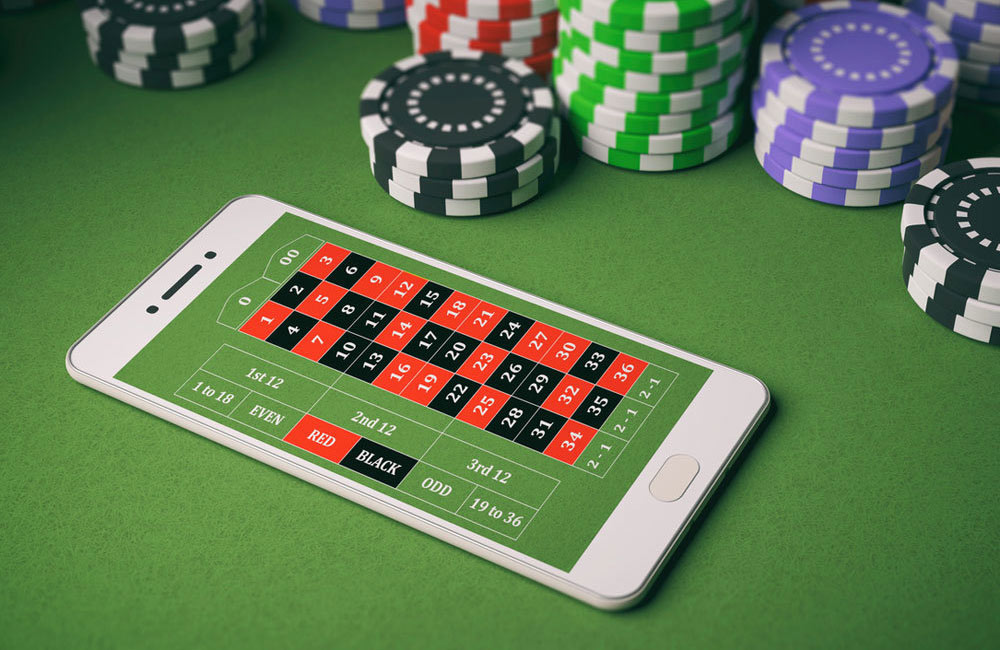
While the excitement of gambling is undeniable, it is equally important for players to engage in safe practices. Websites and casinos that prioritize user safety implement robust security measures to protect against online threats, ensuring a secure environment for their customers. This includes encrypted transactions and strict privacy policies that safeguard personal information.
For those looking to explore gambling responsibly, platforms that emphasize user protection offer clear guidelines and resources. Players can access information about responsible gambling practices, as well as support if they encounter issues. By fostering a culture of safety and support, these establishments can help mitigate the risks associated with gambling while still providing an engaging experience that keeps players coming back.
